REVIVE YOUR HAIR—NATURALLY
PRP (Platelet‑Rich Plasma) uses your own blood’s growth factors to rejuvenate hair follicles. After drawing a small amount of blood and spinning it in a centrifuge, we inject concentrated platelets into the scalp.
This boosts circulation, reduces inflammation, and supports new growth—all while using your body’s own regenerative power.
Clinical Evidence
- Up to 40% increase in hair density in 3 months.
- Significant reduction in daily hair shedding.
- Improved thickness, strength, and scalp health.
- Recognized by dermatologists as a first-line therapy for androgenetic alopecia.
“PRP is one of the most promising non-surgical solutions for hair loss backed by real outcomes.”
— Journal of Cosmetic Dermatology
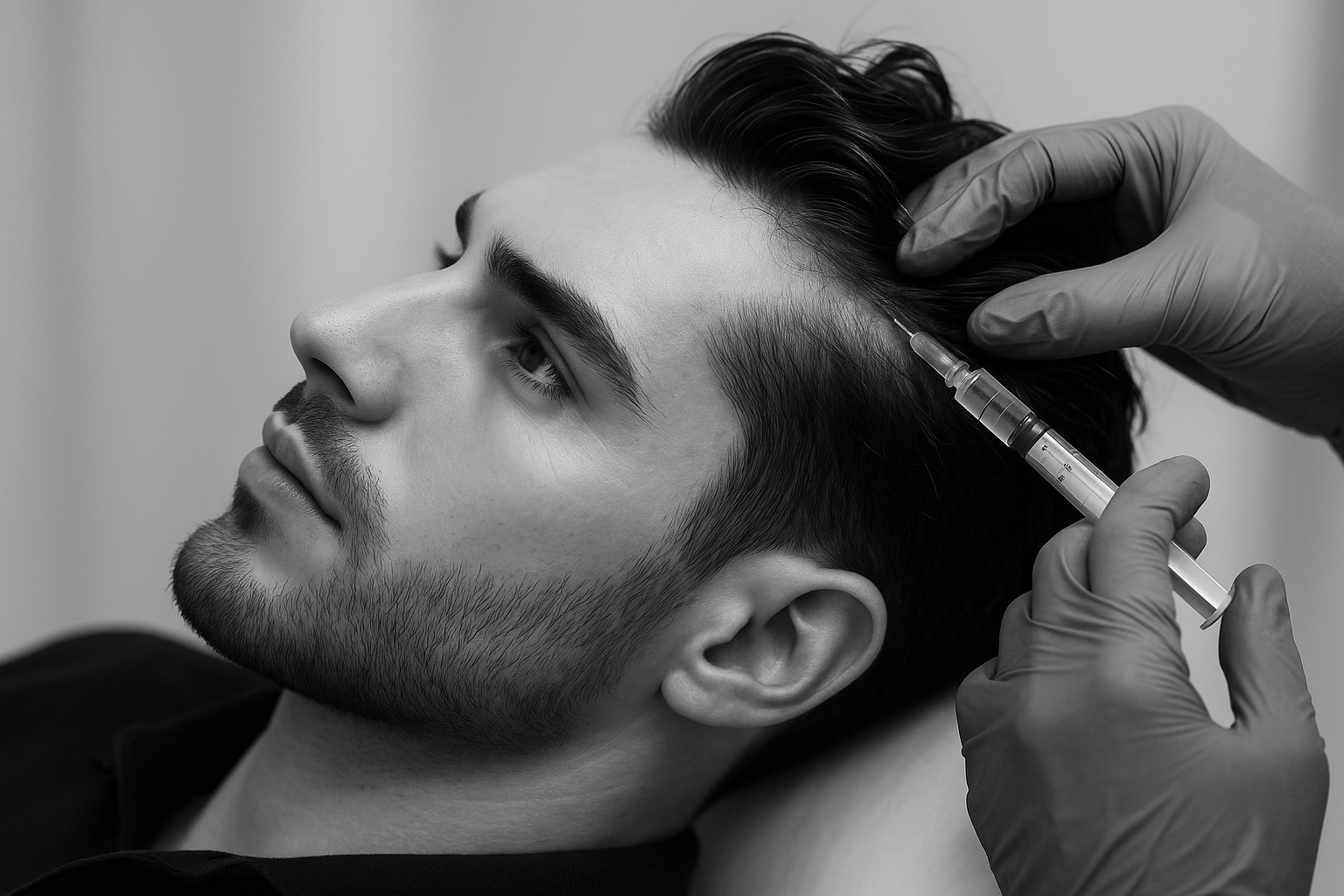
How the Treatment Works
Blood Draw
A small amount of your blood is collected by our doctors.
Centrifugation
The sample is spun to extract plasma enriched with platelets
(3–5x baseline).
Microinjection
The PRP is injected into targeted areas of the scalp using precise microneedling techniques.
Regeneration
Growth factors stimulate cell repair, collagen formation, and angiogenesis around hair follicles.
THIS PROCESS REBOOTS FOLLICULAR ACTIVITY AND THICKENS EXISTING HAIR OVER SEVERAL SESSIONS.
Add-On Enhancements
Peptides & amino acids
for keratin synthesis.
Mesotherapy vitamins
to nourish the dermis.
Exosome therapy
for stem cell-level regeneration.
Microneedling
to maximize PRP penetration.
Dutasteride (localized)
to reduce DHT impact in male clients.
Every plan is personalized. Your protocol may include one or more of these based on your diagnosis.
Who Is This For?
FOR HER
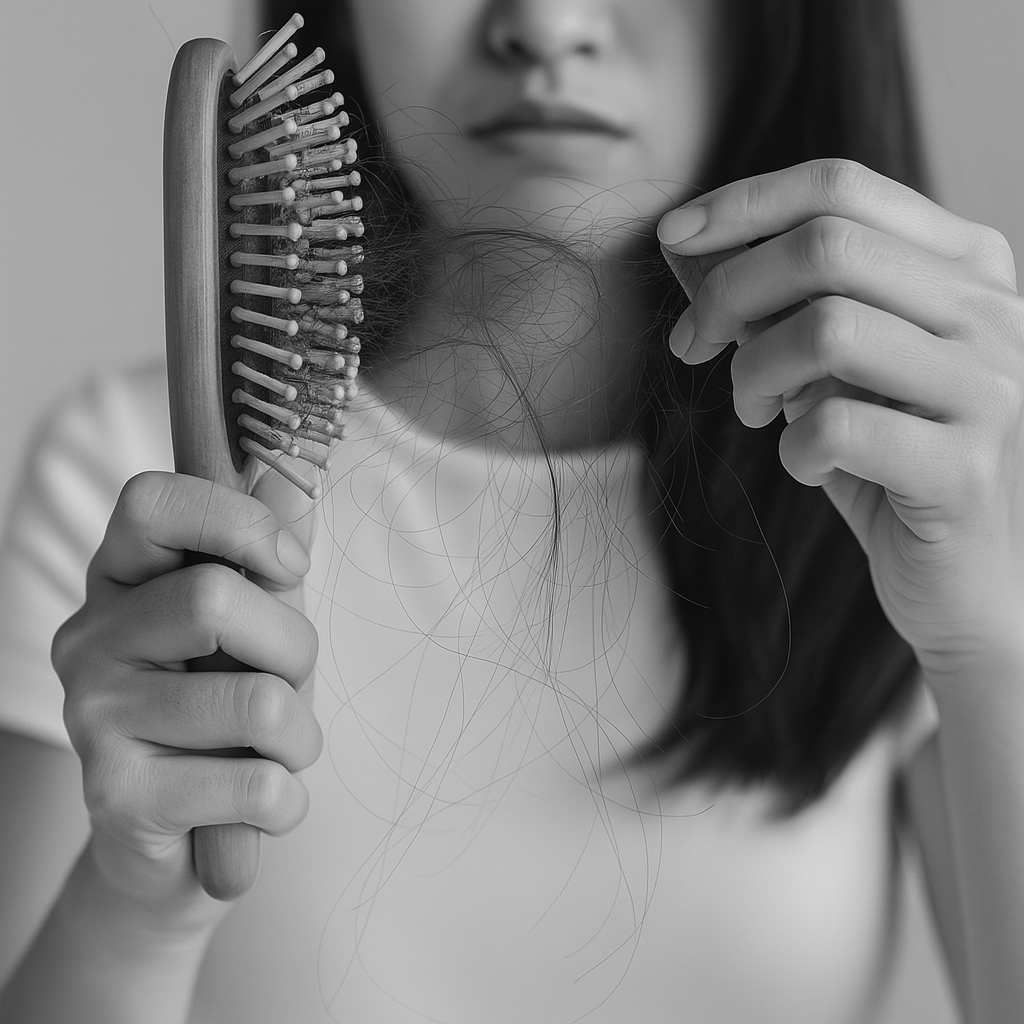
increased hair in the brush
or shower
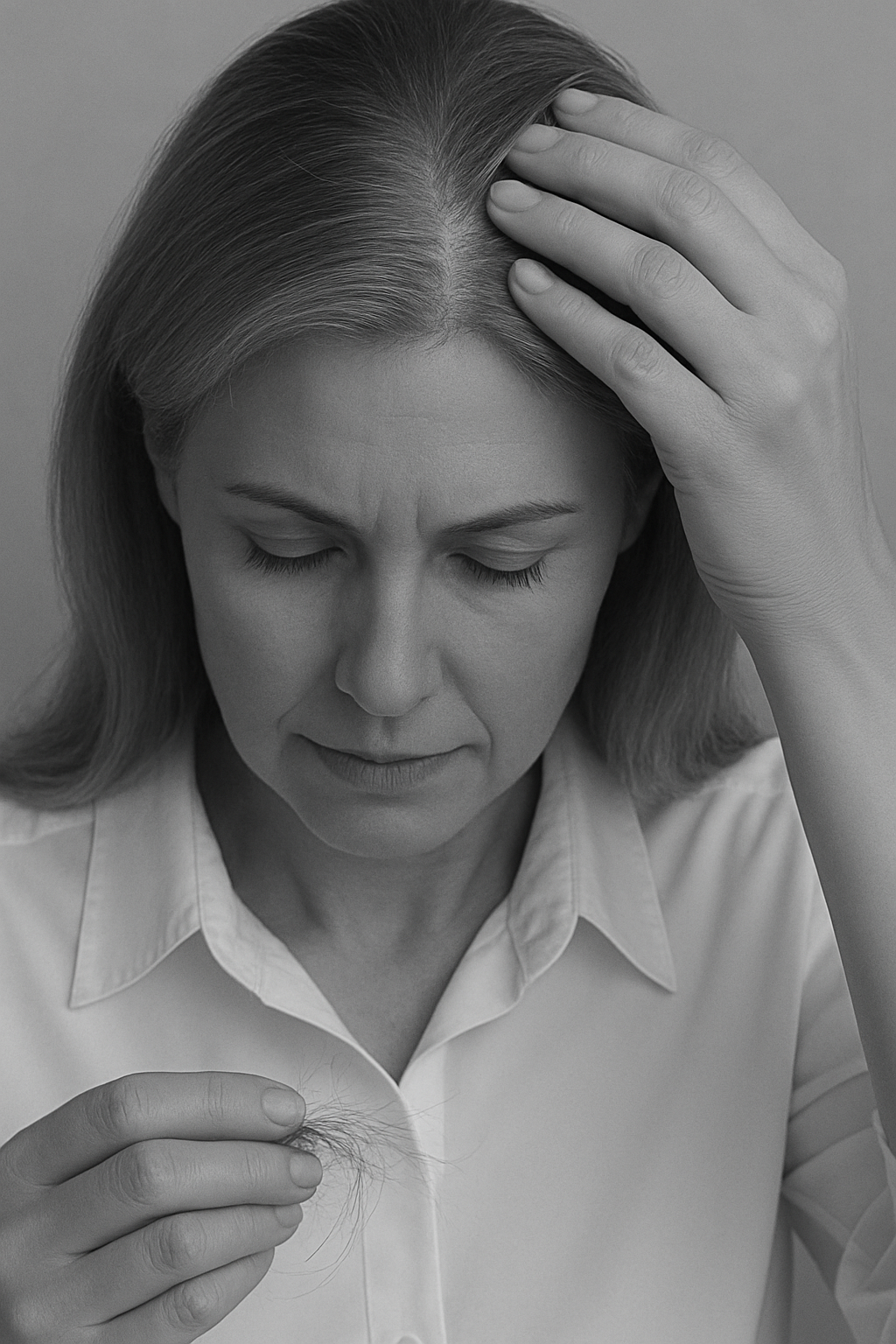
Post-partum or menopausal
facing hormonal shedding
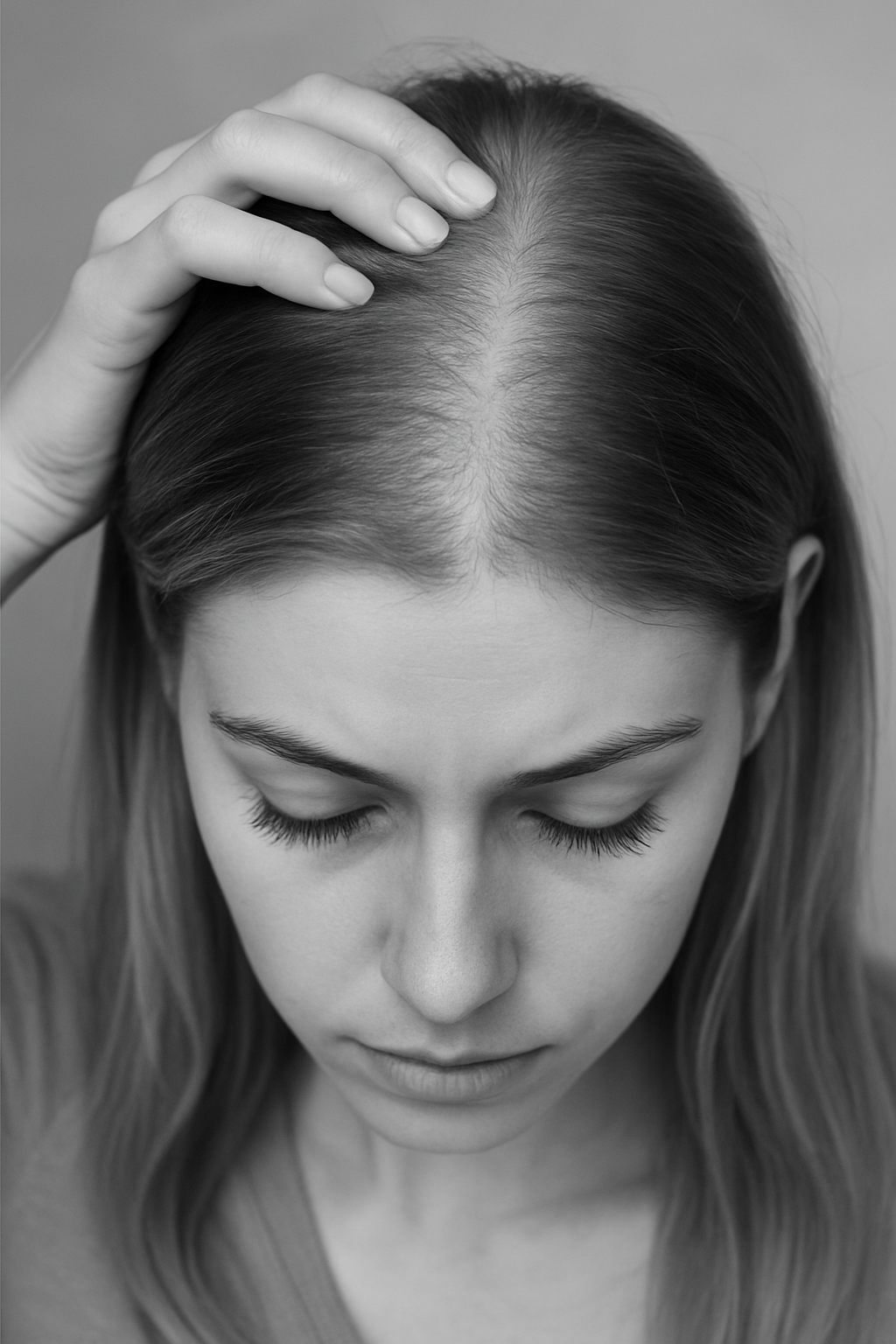
visible scalp
part widening, or loss of density
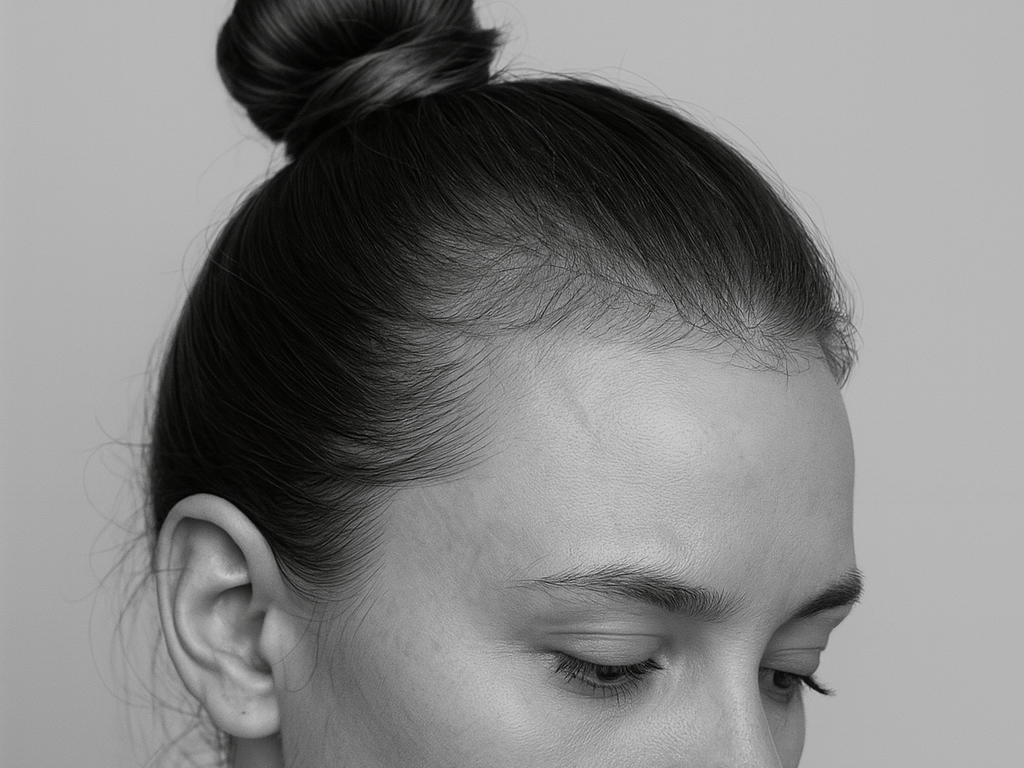
THINNING
PCOS, chronic stress, anemia, or thyroid-related
FOR HIM
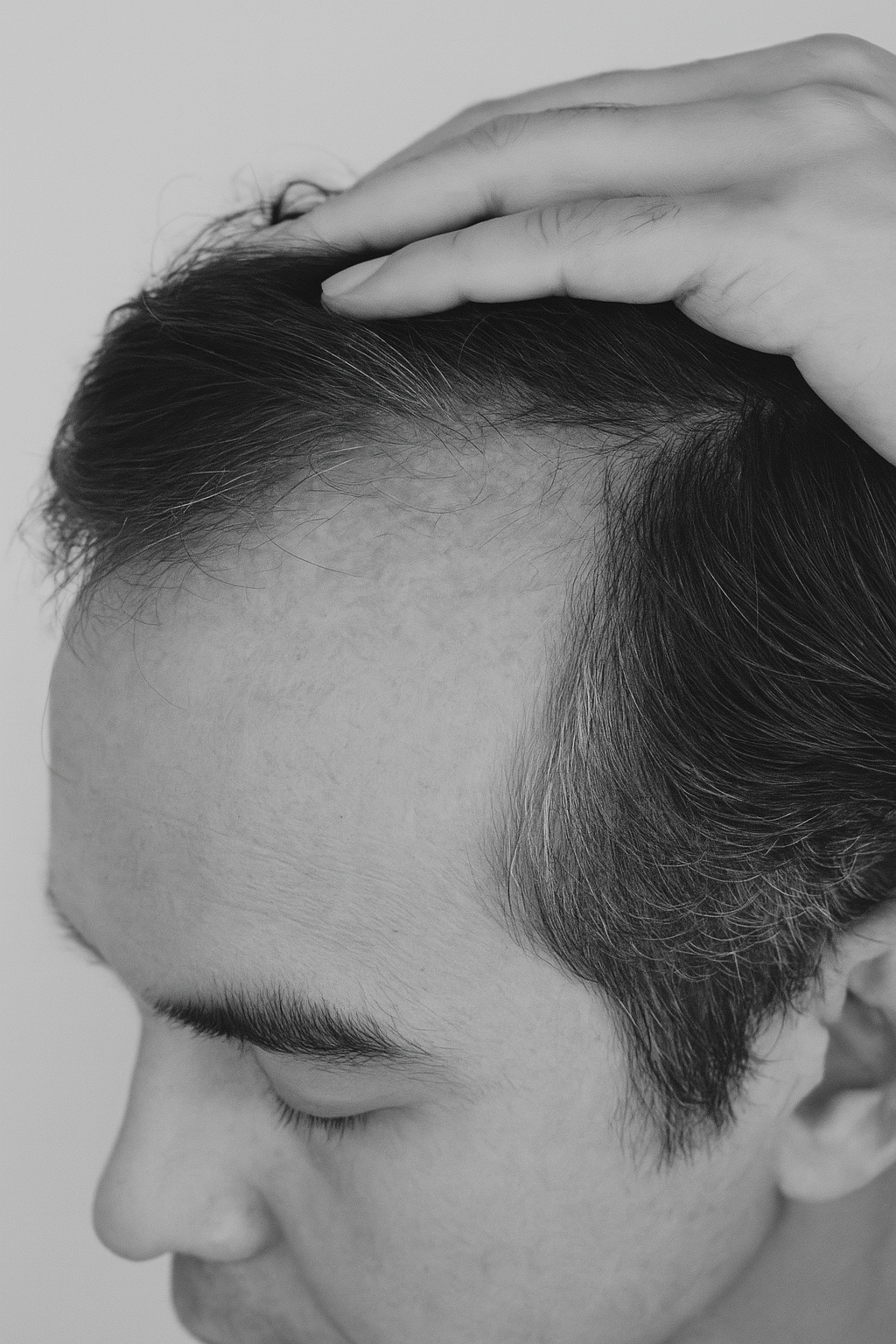
thinning
early or moderate
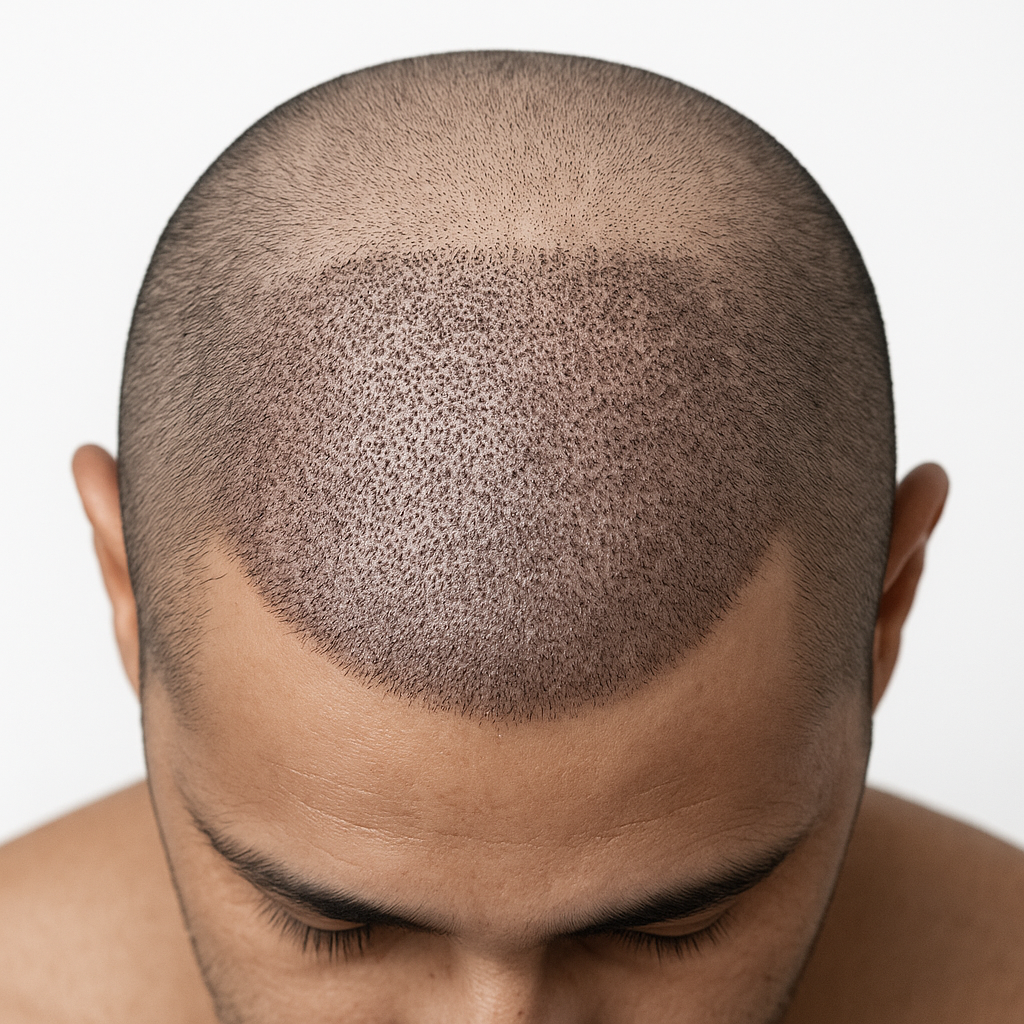
Post-hair transplant patients
seeking to boost results

Athletes
looking for non-invasive scalp vitality
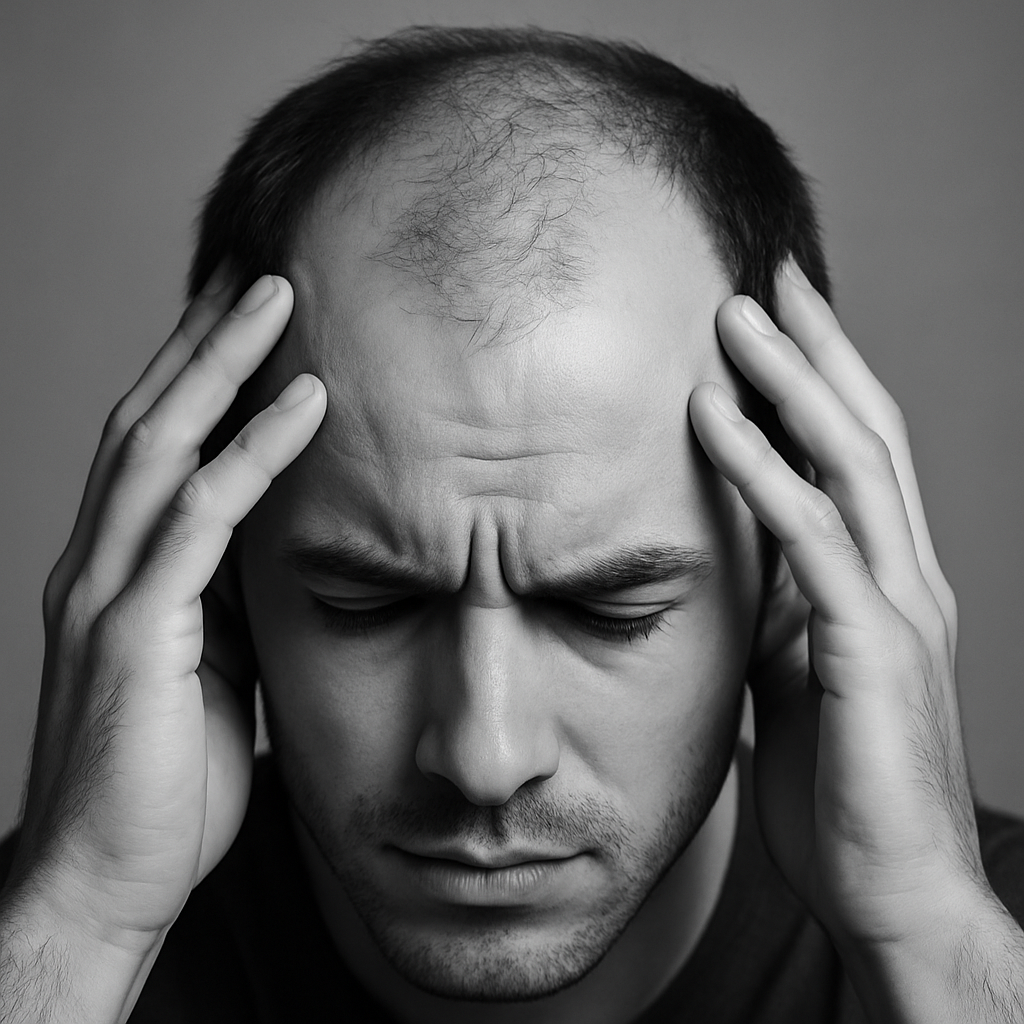
Men with stress-related shedding
or seasonal hair loss
PRE-TREATMENT
– Eat a light snack or meal 30min- 1hr before and star hyrated.
– Wash your hair the night before; do not apply scalp oils or products.
AVOID
+ alcohol, caffeine, NSAIDs, and vitamins 24–48 hrs before.
~ Inform us of any blood-thinning medications or scalp infections.
POST-TREATMENT
You may experience slight redness or swelling—this is normal and temporary.
AVOID
+ Washing your hair for 24 hours.
+ Direct sun, intense sweating, and swimming for 48 hours.
+ Refrain from harsh shampoos or scalp exfoliants for 3–5 days.
+ Applying oils, sprays, or topicals for 2 days.
~ Use only the post-care solutions provided by our clinic.
Science meets simplicity.
Regrow your hair with your own cells.
Whether you’re noticing early thinning or frustrated
by past failures, PRP may be the turning point.
FAQ
How is PRP different from mesotherapy or exosomes?
PRP uses your own growth factors. Mesotherapy involves injected nutrients or medications, while exosomes contain lab-purified regenerative vesicles. Each serves a different role; PRP is especially effective when paired with others.
Does PRP regrow new hair or just stop hair loss?
Both. PRP reduces shedding and reactivates dormant follicles in early-to-moderate stages of loss. The earlier you begin, the better the regrowth potential.
How soon will I see results?
Most patients notice reduced shedding within 4 weeks and visible thickening after 3 sessions (6–8 weeks). Peak results appear around 3–6 months.
Does PRP hurt?
Only mildly. We use microinjection techniques to keep you comfortable.
Is PRP safe long term?
Yes. Since it uses your own blood, there is no risk of rejection. Results are sustainable with occasional maintenance.
Can I combine PRP with medications like finasteride or minoxidil?
Yes. In fact, combining therapies often leads to superior results, especially in genetically-driven alopecia. Always guided by our after care protocol.
Is PRP suitable for women with hormonal imbalances?
Yes. PRP is hormone-free and supports scalp recovery without altering your hormonal profile.
Can PRP be used after a hair transplant?
Absolutely. It speeds healing, strengthens grafts, and promotes faster density buildup post-surgery.
Is there a minimum hair density required?
PRP works best on thinning—not fully bald—areas where follicles are still alive. A scalp evaluation will determine candidacy.
How do I maintain the results?
We recommend maintenance PRP sessions every 4–6 months and lifestyle strategies that support scalp health. Your plan will include all recommendations.
 HMC Hair Medical Care Colombia