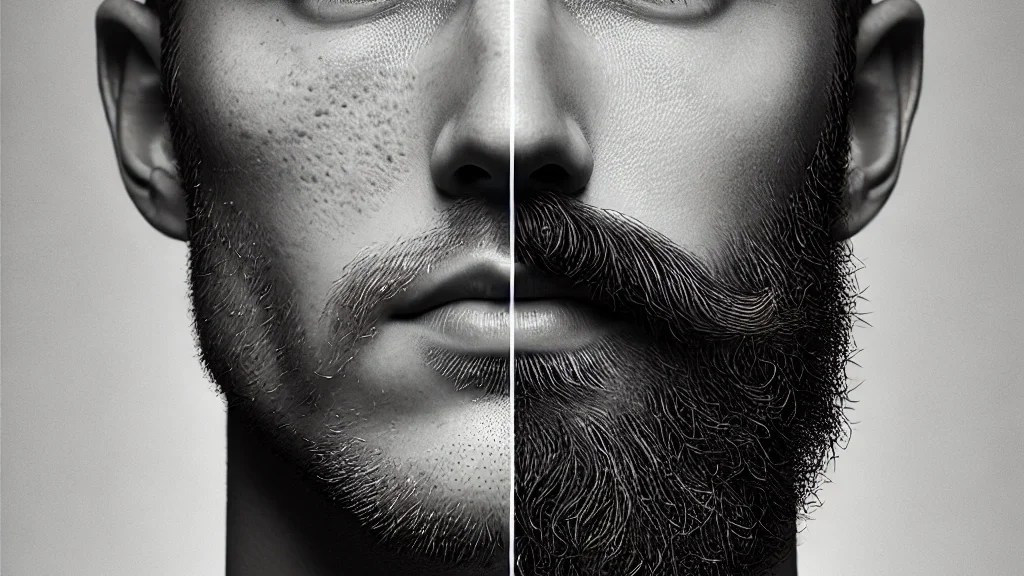
Transform Your Look with a Fuller, Natural Beard
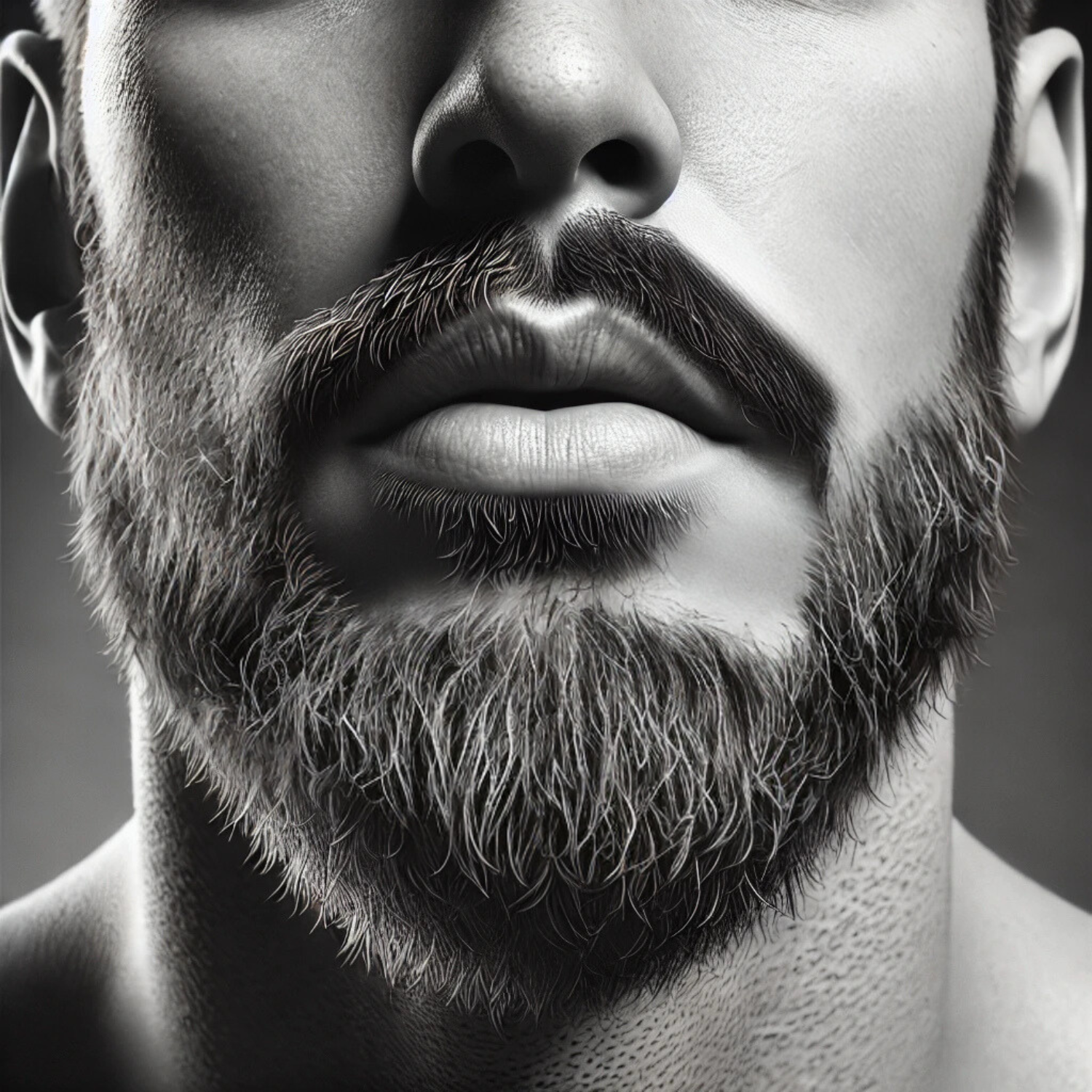
Achieve the beard you’ve always wanted with precision follicle implantation for natural growth and density. Say goodbye to patchy spots and uneven coverage. Rediscover confidence with a permanent solution tailored to your facial hair goals.
DHI (Direct Hair Implantation) is the most advanced form of follicular unit extraction. Grafts are harvested individually from the scalp, loaded into single-use implanter pens, and placed directly into your beard area in one motion—no recipient incisions, no forceps, no trauma. The result: denser growth, faster healing, and perfect angulation for every hair.
MOST COMMON candidates
You are an excellent candidate if you:
- Have adequate donor density at the back of the scalp.
- Desire fuller, more symmetrical facial hair or want to conceal scars.
- Are in good health, age 18+
- Understand the 9- to 12-month maturation timeline.
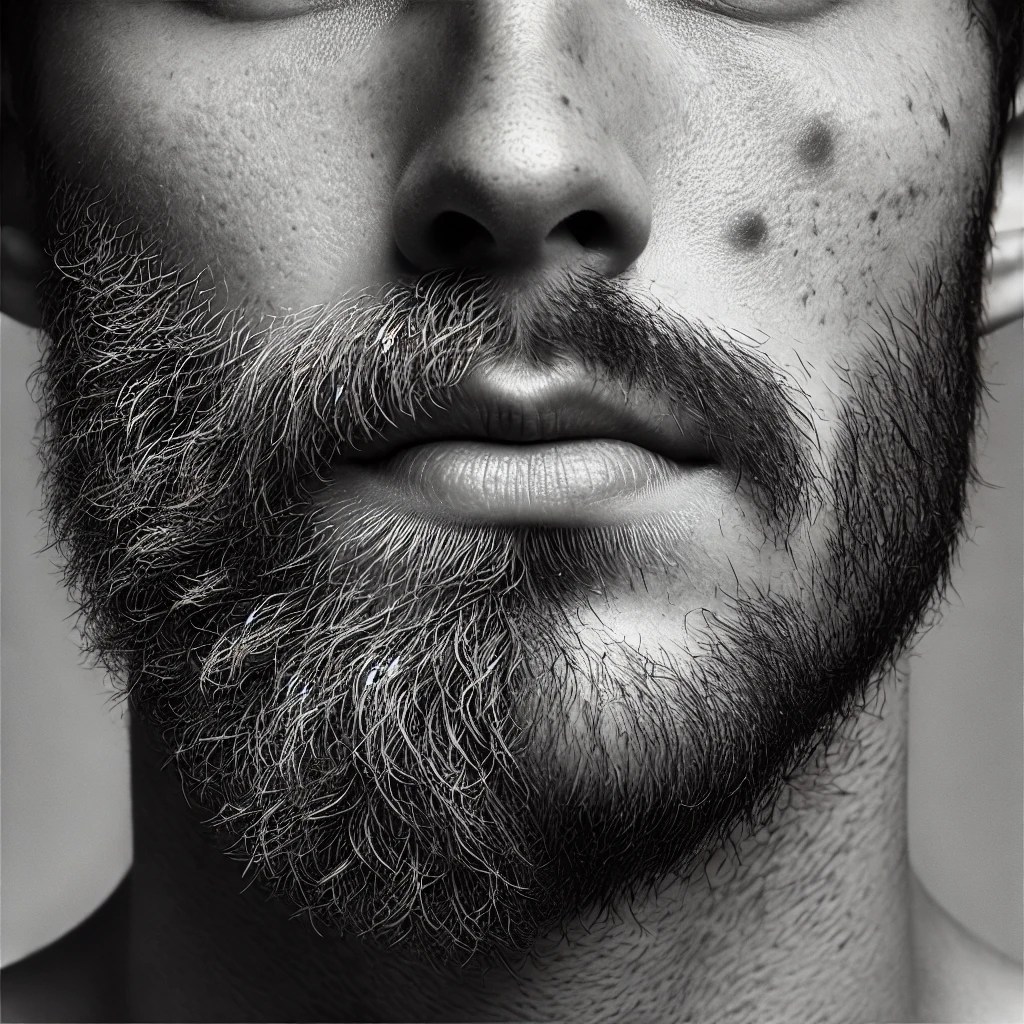
PATCHY BEARD
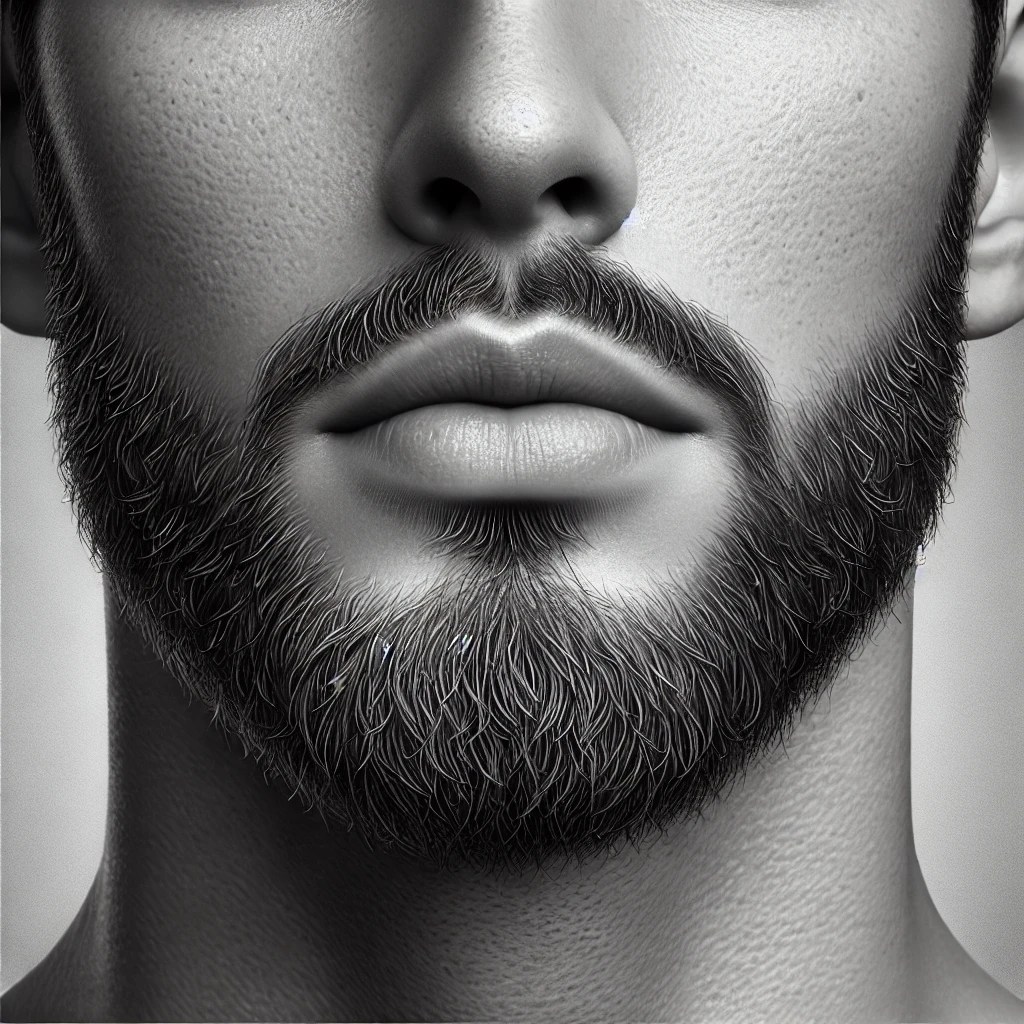
THIN BEARD
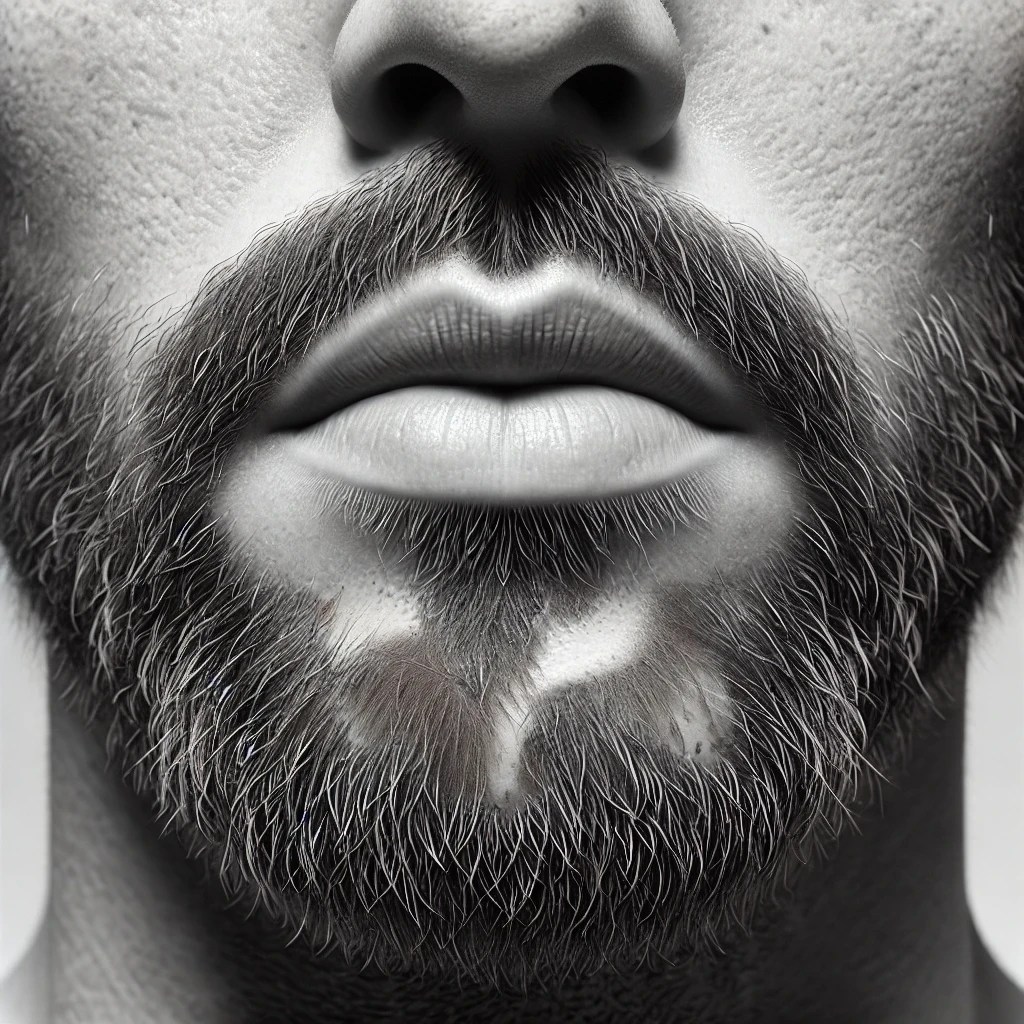
ALOPECIA AREATA
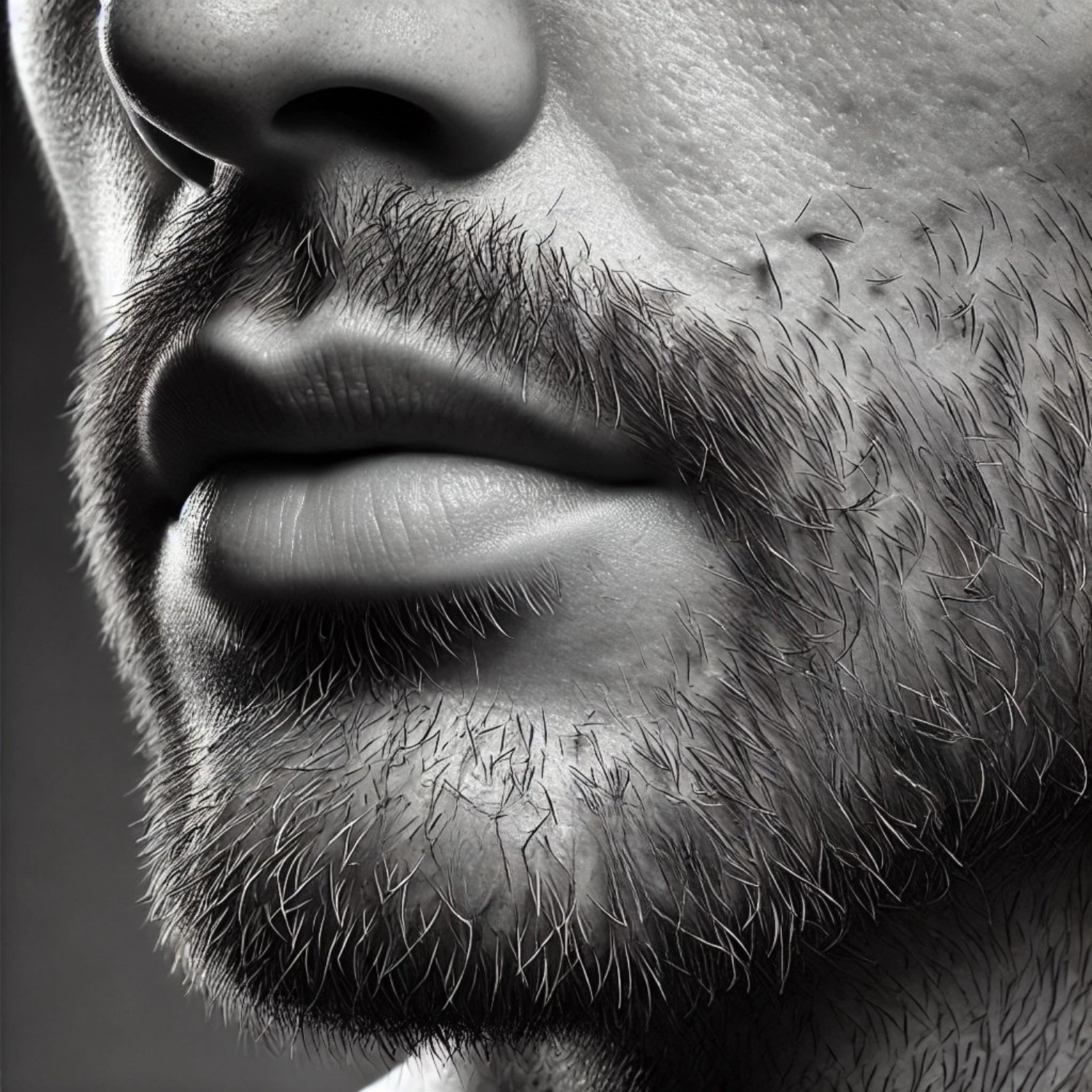
Genetic Sparse Beard
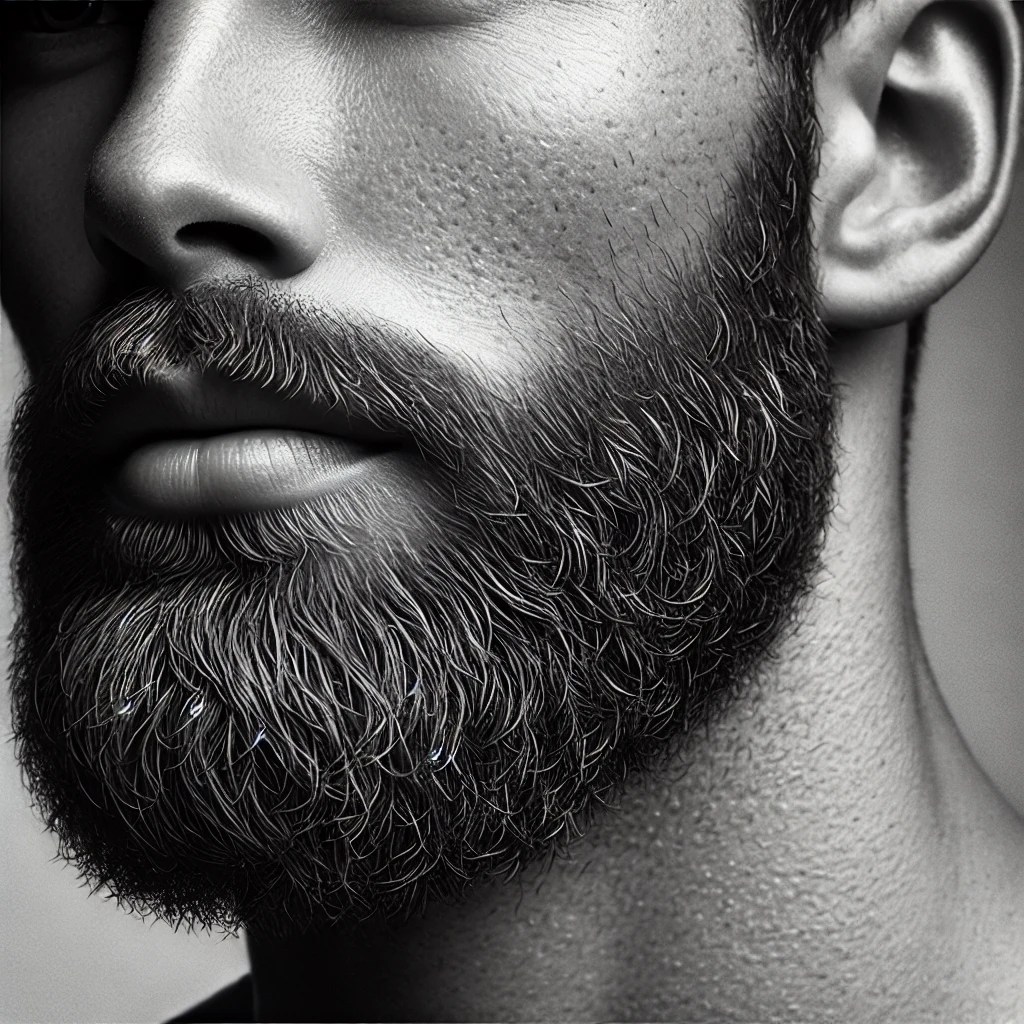
Facial Scars
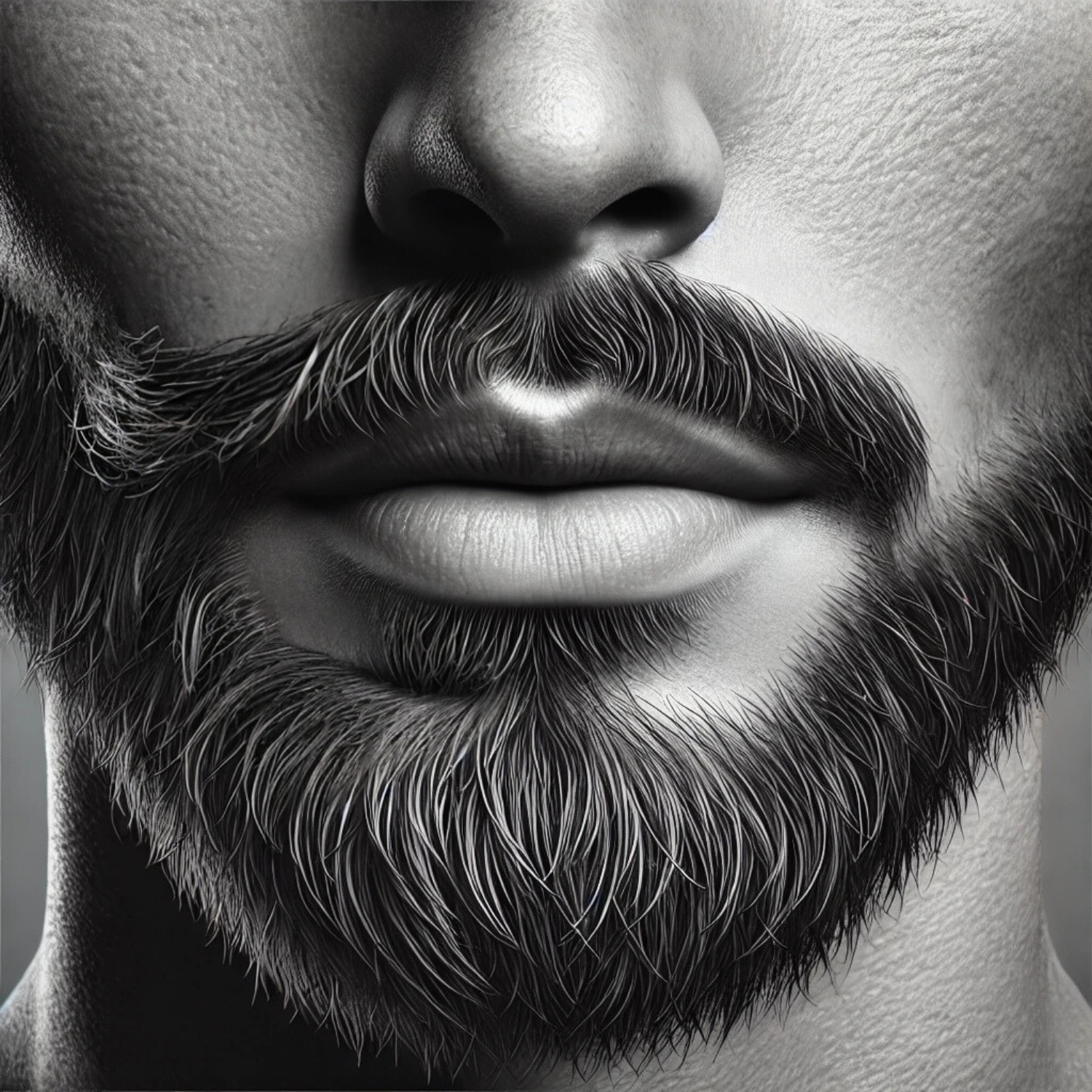
Beard Asymmetry
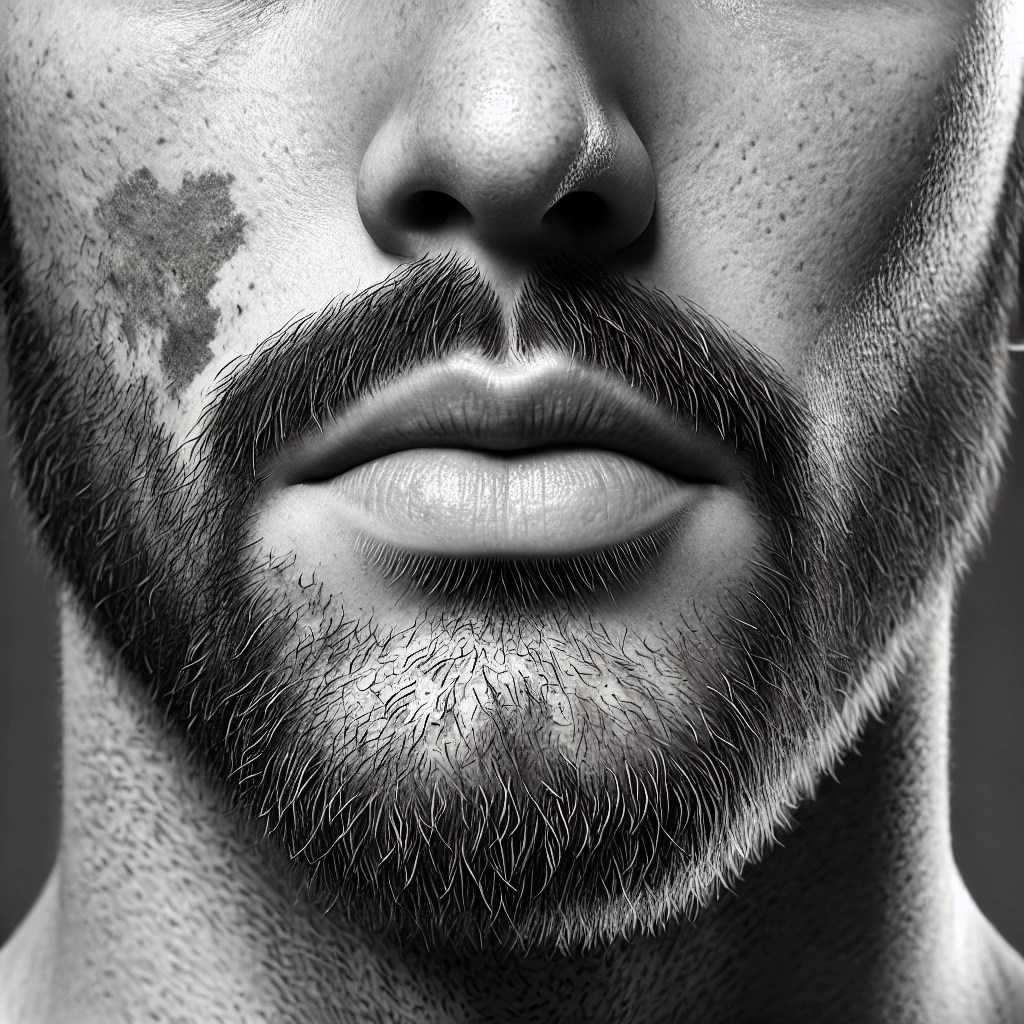
Post-Trauma Hair Loss
Shaving Gaps
Ideal for patchy or uneven growth
caused by genetics, scarring, or hormonal loss.
Permanent density
for cheeks, mustache, goatee, or full beard.
Scar-free donor area
haircuts down to a fade remain natural.
Compatible with PRP
boosters for accelerated healing.
PRE-TREATMENT
Eat a light snack or meal 30min- 1hr before and de well hydrated.
*We don’t give treatment during pregnancy or breastfeeding.
AVOID
+ Alcohol or smoking for 72 hours before.
+ Caffeine for 3 days prior.
+ Aftershave or cologne.
+ Minoxidil (Rogaine®) or any stimulating topical 3–5 days prior.
+ Aspirin or other non-steroidal anti-inflammatory drugs.
As Ibuprofen, Advil®, Motrin®, Aleve®, Fish oil, Gingko Biloba, St. John’s Wort, and high doses of vitamin E, unless medically necessary.
POST-TREATMENT
Expect mild swelling, redness, or small scabs in the grafted and donor area. These are normal and resolve in 5–10 days.
AVOID
+ Exercise, sweating, saunas, and sun exposure for 7–10 days.
+ Smoking or alcohol for 7 days post-op to support graft survival.
+ Do not touch, rub, or scratch the transplanted area for at least 7 days.
+ Showering directly onto the beard—follow your provider’s washing protocol (usually a gentle rinse after 48–72 hrs).
~ Sleep on your back with head elevated for 3–5 nights to reduce swelling.
*Limited slots available
FAQ
What is a beard transplant and how does it work?
A beard transplant is a facial hair restoration procedure that involves harvesting hair follicles—typically from the back of your scalp—and implanting them into your beard area. Using FUE (Follicular Unit Extraction), we place each graft with precision to replicate natural beard growth patterns and density.
Is the result permanent?
Yes. Once transplanted, the hair follicles behave like native facial hair. After initial shedding, the new beard begins to grow permanently within 3–4 months, with full results visible by 9–12 months.
Am I a good candidate for a beard transplant?
You’re a good candidate if you:
– Have uneven beard density, patchiness, or scarring
– Have a stable donor area on the scalp
– Are in good general health and not experiencing active hair loss disorders (e.g., alopecia areata)
We also restore beards for transmasc patients, post-burn reconstruction, and aesthetic reshaping.
How many grafts will I need?
The number of grafts depends on your goals.
– Full beard restoration: 2,000–2,500 grafts
– Density enhancement: 500–1,500 grafts
We map and design your beard shape during a personalized consultation to determine the exact count.
Does the procedure hurt?
No. We use local anesthesia for comfort throughout the procedure. You may feel minor pressure or vibration from the device, but the process is typically pain-free. Post-op discomfort is minimal and managed with mild analgesics.
What is the downtime after a beard transplant?
Most patients experience redness, swelling, and tiny scabs in the recipient area for 5–7 days. You can return to non-strenuous activities the next day but should avoid sweating, shaving, and sun exposure for at least a week.
When will I see results?
You’ll see initial growth within 3–4 months. Full density and maturity occur by 9–12 months. It’s common for the transplanted hairs to shed 2–4 weeks post-procedure—this is a normal part of the hair growth cycle and not a sign of failure.
Are there any scars?
No visible scarring in the donor area. The recipient zone also heals smoothly, with no linear scars or discoloration. Once healed, the result is completely natural.
 HMC Hair Medical Care Colombia