Understanding Hair Loss: Causes, Prevention, and Effective Treatments
Hair loss affects millions of men worldwide, often leading to frustration and a loss of confidence. Whether it’s a receding hairline, thinning crown, or complete baldness, understanding the causes and available treatments is key to preventing further loss and restoring hair naturally.

Common Causes of Hair Loss
Genetics baldness
If your father or grandfather experienced baldness, you are more likely to develop it.
Hormonal Imbalances
A high sensitivity to dihydrotestosterone (DHT) causes hair follicles to shrink and stop producing hair.
Nutritional Deficiencies
Lack of biotin, iron, zinc, or protein weakens hair and accelerates shedding.
High-Stress Levels
Chronic stress leads to excessive hair shedding (telogen effluvium).
Poor Scalp Health
Dandruff, excess oil, or untreated scalp infections can weaken follicles.

How to Prevent Hair Loss in Men Naturally
While genetics play a role, you can slow hair loss and improve hair strength with the right habits.
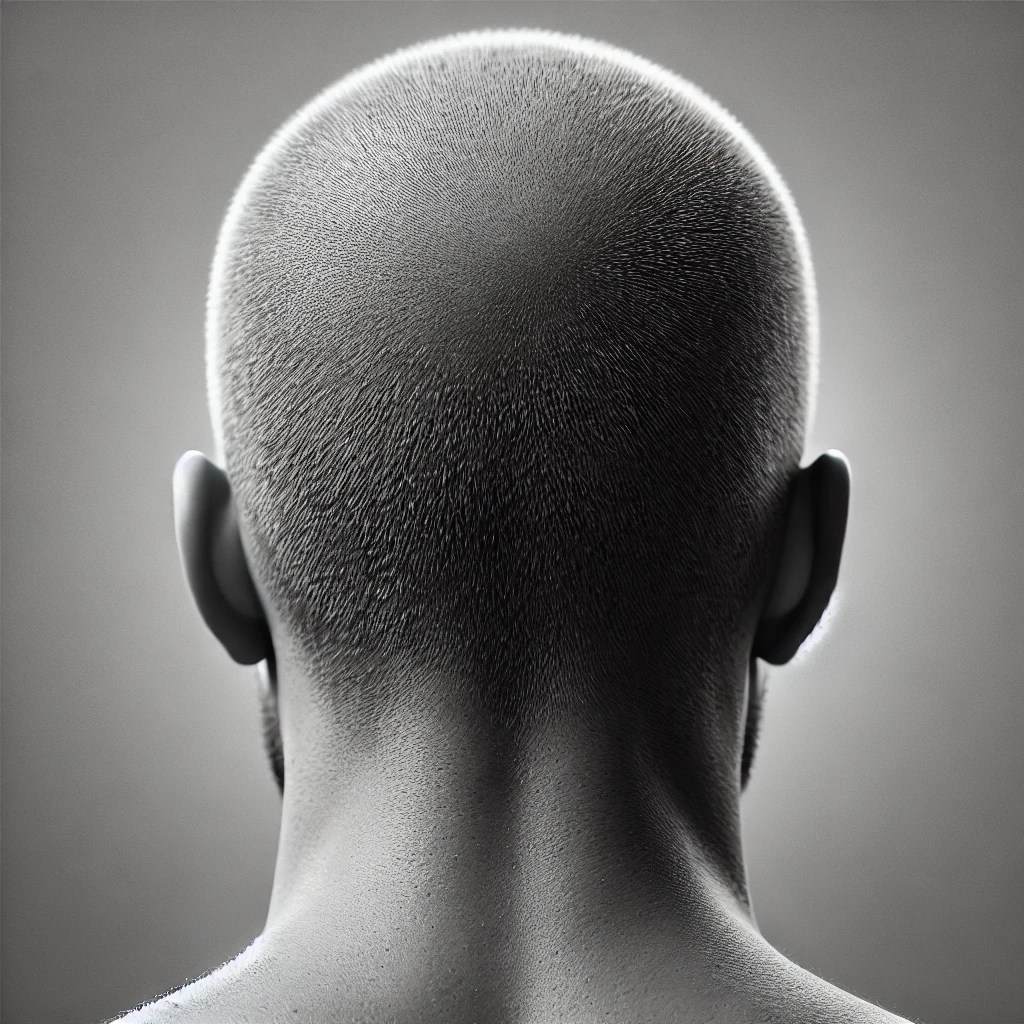
Adopt a Hair-Healthy Diet – Eat more protein, healthy fats, and vitamins like biotin and iron.
Exercise & Reduce Stress – Physical activity reduces stress-related hair loss.
Scalp Care Matters – Keep your scalp clean and use DHT-blocking shampoos to prevent buildup.
Avoid Harsh Styling – Tight hairstyles, heat tools, and aggressive brushing weaken hair over time.
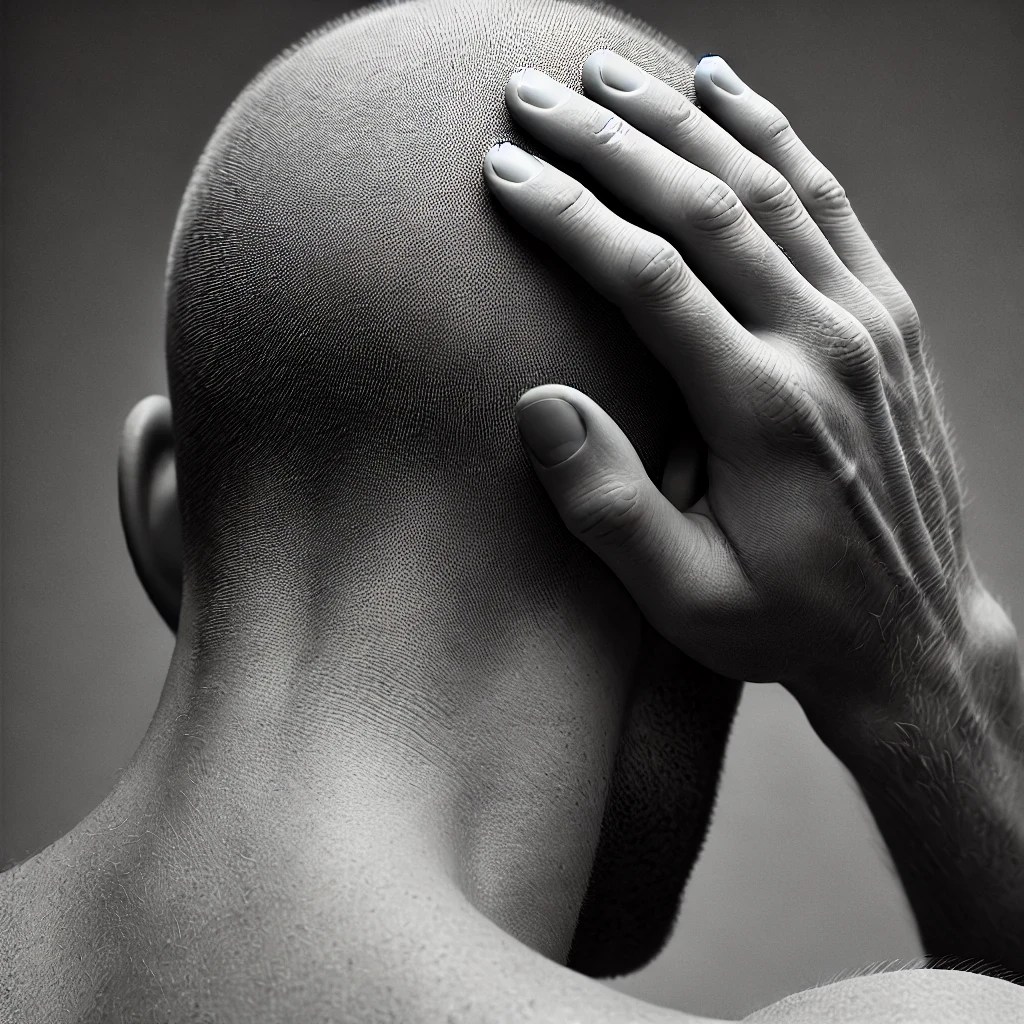
The Most Effective Hair Loss Treatments for Men
Men experiencing noticeable hair thinning or bald spots have several medical and non-invasive solutions:
Minoxidil (Rogaine) – FDA-approved topical solution that stimulates hair growth.
Finasteride (Propecia) – Oral medication that blocks DHT to slow hair loss.
Platelet-Rich Plasma (PRP) Therapy – Uses your own blood to stimulate hair follicles.
Microneedling – Boosts blood flow and enhances topical treatment absorption.
Laser Therapy – Low-level laser light therapy (LLLT) activates dormant hair follicles.
If hair loss is severe, a hair transplant is the most effective, permanent solution.
If hair loss is severe, a hair implant is the most effective, permanent solution.
When Should a Man Consider a Hair implant?
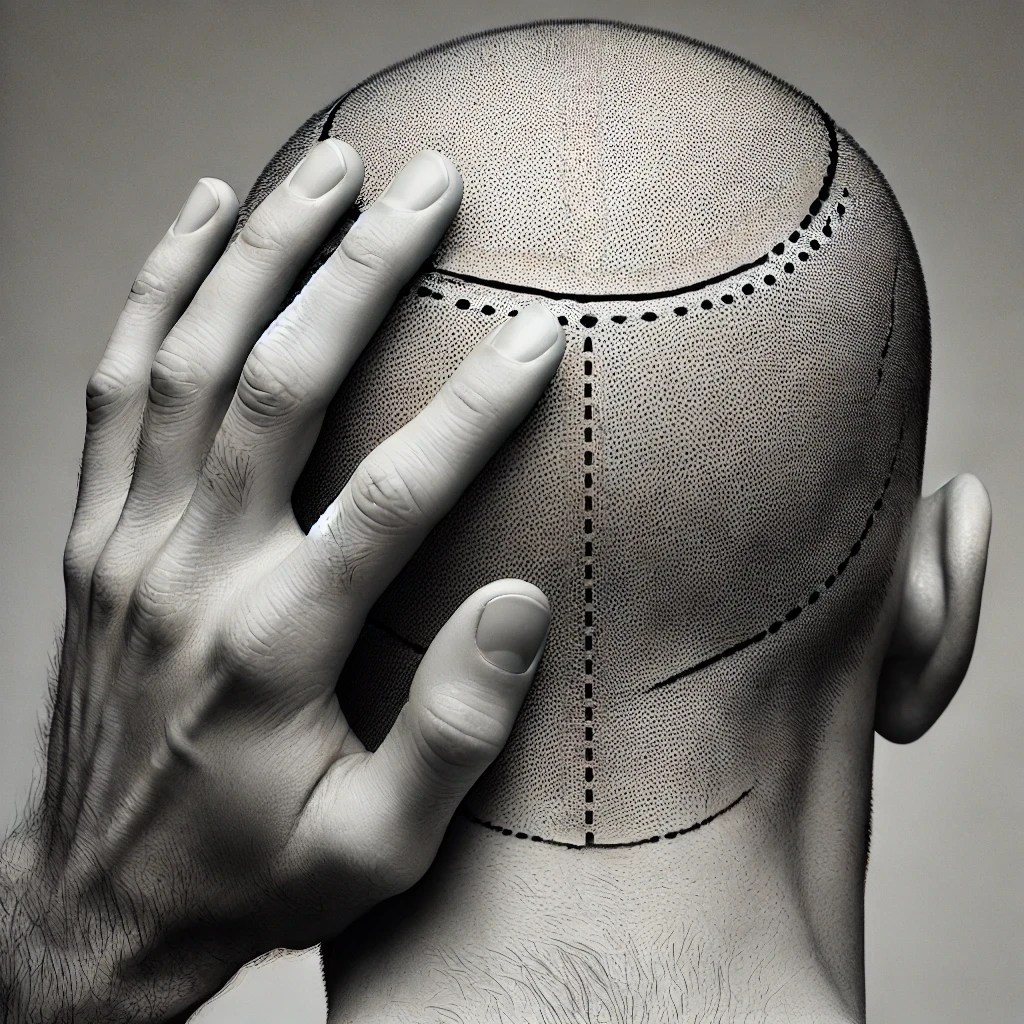
A receding hairline that no longer responds to medication.
Advanced male pattern baldness Norwood Scale 2+
Thinning at the crown or visible bald spots
A strong donor area with healthy hair follicles
Hair transplants provide natural, permanent results when performed by skilled by our specialists.
What is the #1 cause of hair loss in men?
Androgenetic alopecia (male pattern baldness), caused by genetics and DHT sensitivity.
Can hair loss be reversed in men?
Early-stage hair loss can be slowed or reversed with Minoxidil, Finasteride, and PRP therapy.
How long does it take for treatments to show results?
Most treatments take 3-6 months for visible improvement.
Does stress cause permanent hair loss?
No, but prolonged stress can trigger excessive shedding.
Is a hair transplant permanent?
Yes, transplanted hair is resistant to DHT and grows naturally.
What is the best non-invasive treatment for men?
PRP therapy combined with medical grade Minoxidil and microneedling.
Can diet improve male hair loss?
Yes, a diet rich in protein, iron, and biotin strengthens hair follicles.
Does wearing a hat cause baldness?
No, this is a myth. Tight hats only affect hair if they cause constant scalp friction.
How painful is a hair transplant?
It’s a minimally invasive procedure with local anesthesia, making it pain-free.
At what age should I consider a hair transplant?
Ideal candidates are usually 25+, once hair loss stabilizes.
 HMC Hair Medical Care Colombia